
 webstower
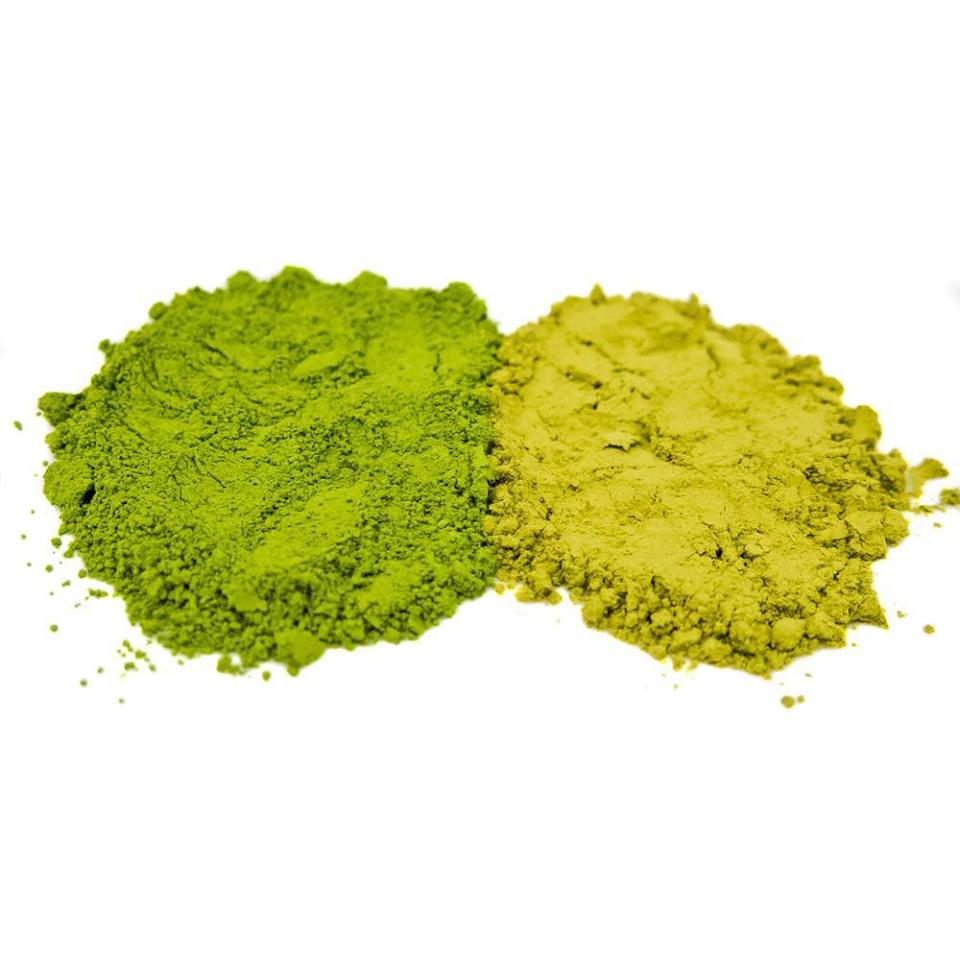
Because Matcha is still relatively new in the West, it is not surprising to hear that some people are skeptical about trying it. Often, people unknowingly buy bitter, gritty, low-quality Matcha, giving them a terrible first experience and wrongly thinking that all Matcha is the same. So what is the difference between high- and low-quality Matcha, and how can you tell?
First of all, there are two main types of Matcha: "ceremonial grade" and "culinary grade". Ceremonial grade Matcha is designed to be mixed only with water, and should have a smooth finish with little or no bitterness. Mixing this Matcha with anything else would simply mask the smooth flavor. Culinary grade Matcha, on the other hand, has a more bitter and astringent flavor that is ideal for mixing with other ingredients (such as milk, sugar, fruit, vegetables, flour, etc.). But how can you tell whether your ceremonial or culinary Matcha is high quality? Here is how.
Price
The first indicator is price. Matcha is an expensive tea. A lot of work goes into growing, harvesting and making Matcha, and therefore into the price of a high-quality Matcha. Be careful with cheap green tea powders, as low prices often indicate low quality.
Color
The second indicator is color. Good-quality Matcha is a vibrant green, while lower-quality Matcha tends to have a more yellowish/brown tone. The vibrant green color is due to Matcha's shade-growing process; shade-growing promotes the overproduction of chlorophyll, which is what gives tea plants their natural green color.
Aroma.
A high-quality Matcha should smell sweet and vegetal, thanks to the amino acid L-theanine that is preserved in the shade. Teas grown in the open air lose their amino acids because they turn into catechins when exposed to the sun.
Taste
Try and taste your Matcha. The same amino acids that give Matcha its sweet smell should actually make the tea taste slightly sweet. When properly grown, a ceremonial Matcha should not be bitter. A culinary Matcha should be slightly bitter, but not too much.
Feel to the touch.
You may not think of feeling your Matcha, but it is actually a great indicator of quality. A high-quality Matcha should feel very fine and silky, similar to touching baby powder. The particle size is only about 5-10 microns, which is actually even finer than baby powder! In contrast, lower-quality Matchas will have larger particle sizes that feel rough between the fingers.
Making a cup of Matcha.
Finally, try making a bowl of Matcha the traditional way. When you vigorously whisk a good-quality ceremonial Matcha with a bamboo whisk or an electric frother, it shouldn't be too hard to create a layer of foam on top. No matter how hard you try, whisking a low-quality Matcha will often only result in large air bubbles (and frustration). Making drinks or baking with culinary Matcha should result in a deep green color and a pleasantly mild tea flavor. The flavor should not be too bitter or too mild, but should perfectly complement the other ingredients.
If you want to enjoy the sweet taste of real Matcha and get all its health benefits, pay attention when choosing your Matcha, since low-quality green tea powder (wrongly called Matcha) is more available than you think.
But don't worry! Just follow our guide explained above, and you will be a Matcha master in no time. Happy whisking!